
Why Is There Such a Large Price Difference in Tea? A Complete Guide to Understanding Tea Value
 If you've ever shopped for tea online, you've probably noticed something surprising:
One bag of tea might cost $10, while another seemingly similar tea costs $100—or even more.
How can two teas made from the same plant have such dramatically different prices?
Is expensive tea really better?
Or are you simply paying for branding and packaging?
The answer is more complex than most people realize.
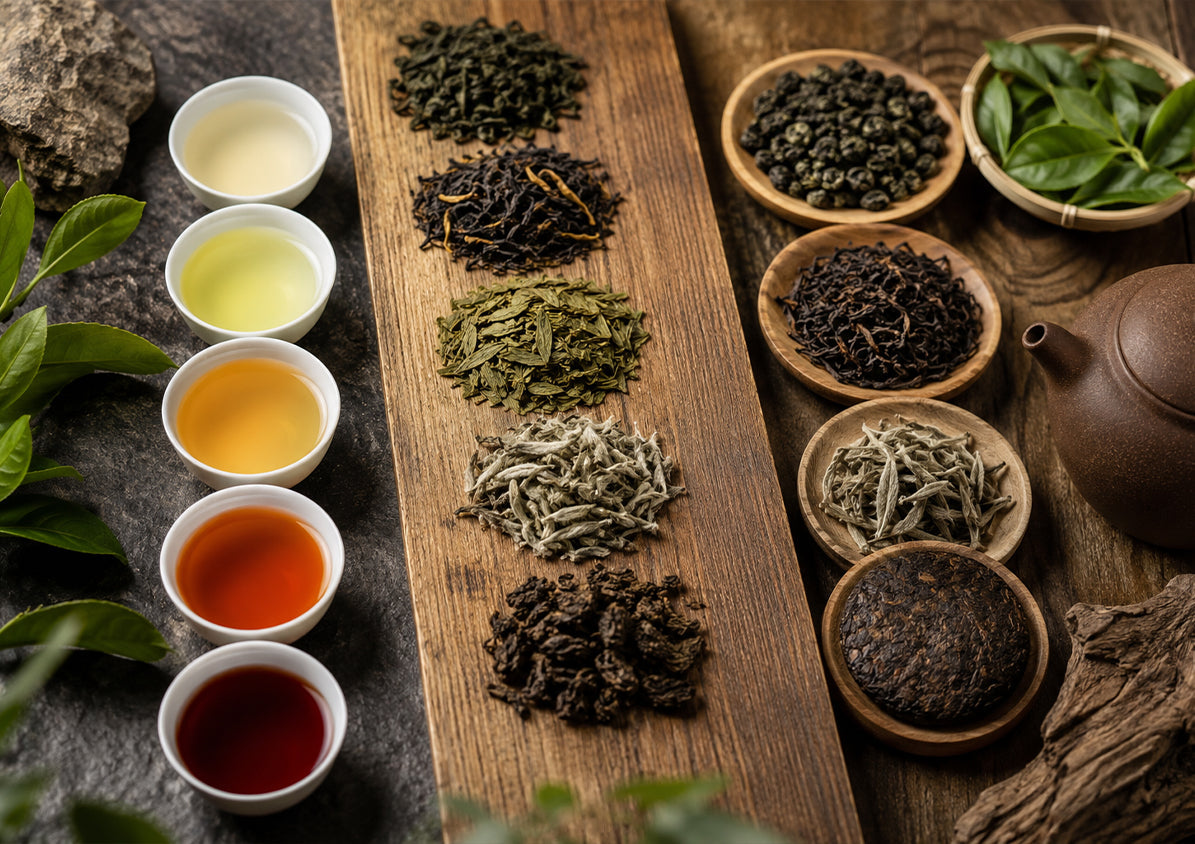
Just as wine, coffee, and chocolate vary greatly in quality and value, tea exists on an enormous spectrum. Some teas are produced in massive industrial quantities, while others are handcrafted from centuries-old tea trees growing in remote mountain regions.
Understanding what drives tea pricing can help you become a more informed tea buyer and discover teas that truly offer exceptional value.
In this guide from Teavra, we'll explore the biggest factors that influence tea prices and explain why some teas command premium prices while others remain affordable everyday options.
First, Not All Tea Is Created Equal
Many people assume tea is simply tea.
In reality, the quality difference between low-grade and premium tea can be enormous.
Factors affecting tea quality include:
- Growing environment
- Tea cultivar
- Harvest season
- Leaf grade
- Processing methods
- Tea tree age
- Storage conditions
- Producer skill
- Rarity
These variables can create dramatic differences in flavor, aroma, texture, complexity, and ultimately price.
1. Origin Matters More Than Most People Realize
Just as Champagne can only come from Champagne, France, certain teas achieve their reputation because of where they are grown.
The best tea regions often possess:
- High elevations
- Rich soil
- Stable climates
- Frequent mist
- Natural biodiversity
These conditions allow tea plants to develop more complex flavors.
For example:
- High mountain oolong teas often command premium prices.
- Ancient-tree pu-erh teas from famous regions can be significantly more expensive than plantation-grown alternatives.
- First-harvest green teas from renowned tea-growing areas are often considered superior.
In tea, geography matters.
2. Tea Tree Age Can Dramatically Affect Price
One of the biggest price drivers—especially in pu-erh tea—is the age of the tea trees.
Tea may come from:
Plantation Bushes
Typically:
- Younger
- Higher yielding
- Easier to harvest
Old Tea Trees
Often:
- Several decades old
- Lower production
- More complex flavor
Ancient Tea Trees
Sometimes:
- 100–500+ years old
- Extremely limited production
- Highly sought after by collectors
Older trees generally produce fewer leaves, making them significantly rarer.
This scarcity often translates directly into higher prices.
3. Harvest Season Makes a Huge Difference
Tea harvested at different times of the year can vary dramatically in quality.
Spring Tea
Often considered the highest quality harvest.
Benefits include:
- Rich aroma
- Concentrated nutrients
- Full flavor
- Excellent sweetness
Because demand is high and supply is limited, spring teas often command premium prices.
Summer Tea
Usually:
- More abundant
- Less expensive
- Stronger but less refined
Autumn Tea
Often prized for aroma and balance.
Depending on the tea type, autumn harvests may offer excellent value.
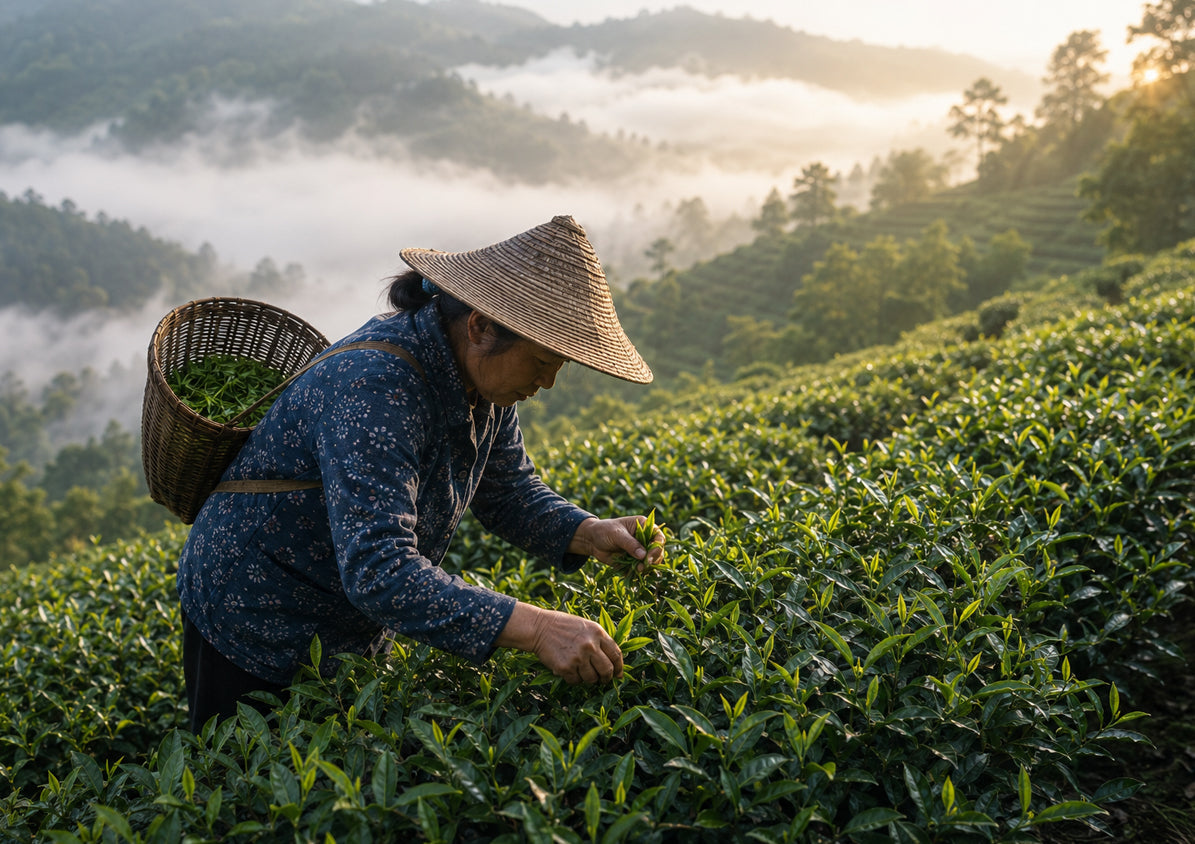
4. Hand-Picked vs Machine-Harvested Tea
Harvesting tea is labor-intensive.
Premium teas are often hand-picked.
This allows producers to select:
- Tender buds
- Young leaves
- Specific leaf standards
Machine harvesting is faster and cheaper but generally collects a broader mix of leaf material.
Hand-picking requires more labor and expertise, increasing production costs.
However, it often results in higher-quality tea.
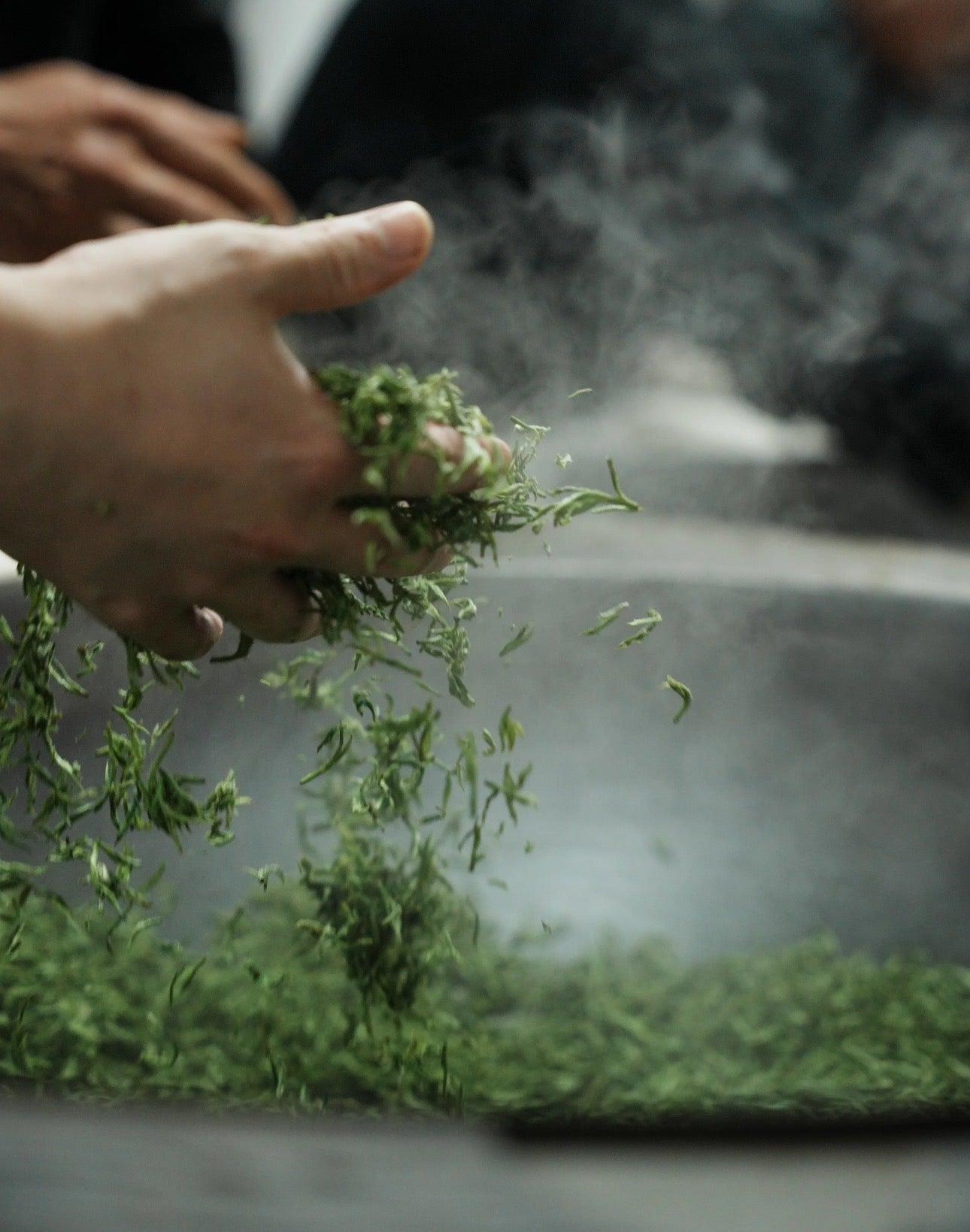
5. Processing Skill Is an Art Form
Tea processing is one of the most overlooked factors influencing price.
Even exceptional raw leaves can become mediocre tea if processed poorly.
Master tea makers spend years—sometimes decades—developing expertise in:
- Withering
- Rolling
- Oxidation control
- Roasting
- Drying
- Aging
The difference between an average tea and an extraordinary tea often lies in the producer's craftsmanship.
Much like a skilled chef transforms ingredients into a memorable meal, a skilled tea master transforms leaves into exceptional tea.
6. Rarity and Limited Production
Some teas are produced in huge quantities.
Others are incredibly scarce.
Certain famous tea regions produce only limited amounts each year.
Examples include:
- Ancient-tree pu-erh
- High mountain oolong
- First flush specialty teas
- Rare white teas
When supply is limited and demand increases, prices naturally rise.
This is especially true for collectors and tea enthusiasts seeking unique experiences.
7. Aging Can Increase Value
Unlike many beverages, some teas improve with age.
The most famous example is pu-erh tea.
Well-stored pu-erh can mature for years or even decades, developing:
- Greater smoothness
- Increased complexity
- Richer texture
- Deeper flavor
Because older teas become increasingly scarce over time, aged teas often command significantly higher prices.
8. Loose Leaf Tea vs Tea Bags
Many inexpensive teas are sold in tea bags.
Premium teas are often sold as whole-leaf loose tea.
Why?
Because whole leaves preserve:
- Aroma
- Flavor complexity
- Brewing performance
- Visual quality
Tea bags frequently contain broken leaves or tea dust.
While convenient, they often provide a simpler and less nuanced experience.
Premium loose leaf tea generally costs more because the raw materials themselves are higher quality.
9. Certification, Testing, and Quality Control
Responsible tea producers invest heavily in quality assurance.
This may include:
- Food safety testing
- Pesticide screening
- Storage monitoring
- Batch inspections
- Packaging protection
These processes increase costs but also improve reliability and consumer confidence.
High-quality tea brands prioritize transparency and consistency.
10. Branding Isn't the Whole Story
Some consumers assume expensive tea is simply a result of marketing.
While branding can influence price, genuinely exceptional tea usually costs more to produce.
The key is learning to distinguish between:
Premium Tea
Higher price because of:
- Better leaves
- Better craftsmanship
- Better sourcing
- Limited production
Overpriced Tea
Higher price without meaningful quality improvements.
This is why purchasing from trusted specialty tea vendors matters.
How to Tell If a Tea Is Worth the Price
Instead of focusing solely on price, ask:
Where Was It Grown?
Quality tea sellers should provide origin information.
When Was It Harvested?
Freshness matters.
Is It Loose Leaf?
Whole leaves generally indicate higher quality.
Is There Information About Processing?
Transparency often reflects producer confidence.
Does the Vendor Explain the Tea?
Educational content and detailed descriptions are usually positive signs.
Is Expensive Tea Always Better?
No.
Price and quality often correlate, but not perfectly.
Many mid-range teas provide exceptional value.
The goal isn't necessarily to buy the most expensive tea.
The goal is to find teas that deliver:
- Great flavor
- Authenticity
- Enjoyment
- Consistency
- Good value for your budget
For many tea drinkers, a carefully selected $20 tea may offer far greater enjoyment than a poorly sourced $100 tea.
Why Premium Tea Often Costs Less Per Cup Than You Think
Many people compare tea prices by package cost rather than serving cost.
Consider this:
A 100g bag of premium loose leaf tea can often produce:
- 30–50 servings
- Multiple infusions per session
The actual cost per cup may be surprisingly affordable compared to:
- Coffee shop beverages
- Soft drinks
- Specialty coffees
- Alcoholic beverages
When viewed this way, premium tea often represents excellent value.
The Teavra Philosophy: Quality, Authenticity, and Experience
At Teavra, we believe great tea is more than a product.
It's an experience.
That's why we focus on:
- Carefully selected loose leaf teas
- Authentic sourcing
- Artisan craftsmanship
- Exceptional flavor
- Transparent product information
Our goal is to help tea lovers discover teas that offer genuine quality and value—whether you're just beginning your tea journey or exploring rare and specialty teas.
Because the best tea isn't necessarily the most expensive tea.
It's the tea that brings the most enjoyment to your cup.
Frequently Asked Questions
Why are some teas so expensive?
Tea prices are influenced by factors such as origin, harvest season, tea tree age, craftsmanship, rarity, processing methods, and storage conditions.
Does expensive tea taste better?
Not always, but premium teas often offer more complexity, aroma, smoothness, and depth than lower-grade alternatives.
What is the biggest factor affecting tea price?
For many specialty teas, the most important factors are origin, tea tree age, harvest quality, and producer craftsmanship.
Are loose leaf teas worth the extra cost?
In most cases, yes. Loose leaf teas generally provide better flavor, aroma, and brewing performance than standard tea bags.
Where can I buy high-quality loose leaf tea online?
Explore carefully curated artisan tea collections at Teavra, where quality, authenticity, and tea craftsmanship are at the heart of every selection.

Leave a comment
This site is protected by hCaptcha and the hCaptcha Privacy Policy and Terms of Service apply.