
The Complete Guide to the Different Types of Tea — Understanding the Unique Characteristics of Every Tea
The Complete Guide to the Different Types of Tea
Tea is one of the most consumed beverages in the world — yet many people are surprised to discover that most traditional teas actually come from the same plant.
Whether it’s green tea, black tea, white tea, oolong tea, or pu-erh tea, they all originate from the Camellia sinensis plant. What makes each tea different is how the leaves are processed after harvesting.
From fresh and grassy green teas to deep and earthy aged pu-erh, every tea offers its own:
-
aroma
-
flavor profile
-
texture
-
caffeine level
-
brewing experience
-
cultural history
Understanding the differences between tea types not only helps you choose the right tea for your taste preferences, but also transforms the way you experience tea itself.
In this complete guide from Teavra, we’ll explore:
-
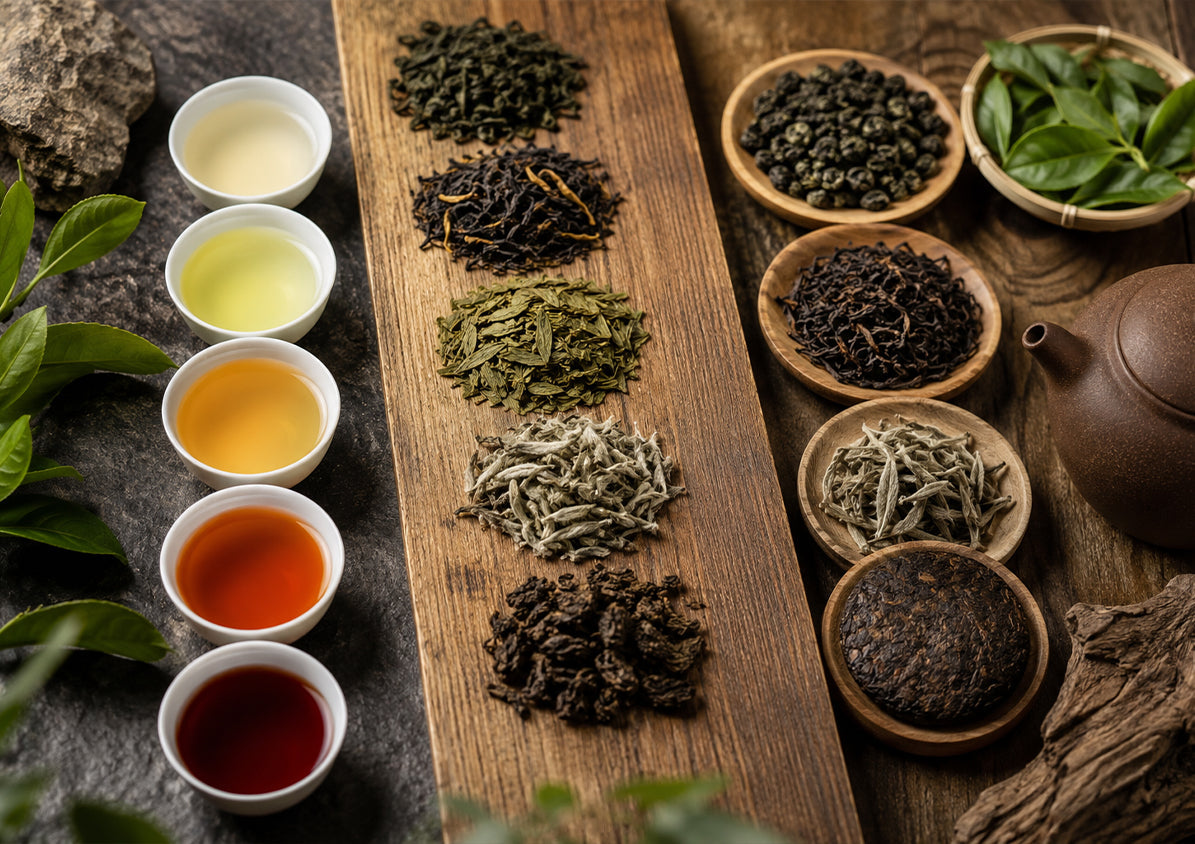
the six major categories of tea
-
how each tea is processed
-
flavor differences
-
caffeine levels
-
brewing recommendations
-
health and lifestyle benefits
-
how to choose the best tea for your needs
Whether you are completely new to tea or looking to deepen your appreciation for artisan loose leaf tea, this guide will help you navigate the fascinating world of tea with confidence.
Why Are Different Teas So Different?
The biggest factor separating tea types is oxidation.
Oxidation occurs when tea leaves react with oxygen after being harvested. This process changes:
-
flavor
-
aroma
-
color
-
texture
-
body
-
complexity
Some teas are barely oxidized, while others are heavily oxidized or even fermented and aged over time.
Processing methods such as:
-
withering
-
rolling
-
roasting
-
steaming
-
firing
-
aging
also dramatically influence the final tea experience.
The Six Major Types of Tea
1. Green Tea — Fresh, Delicate, and Vibrant
Green tea is one of the least processed tea categories.
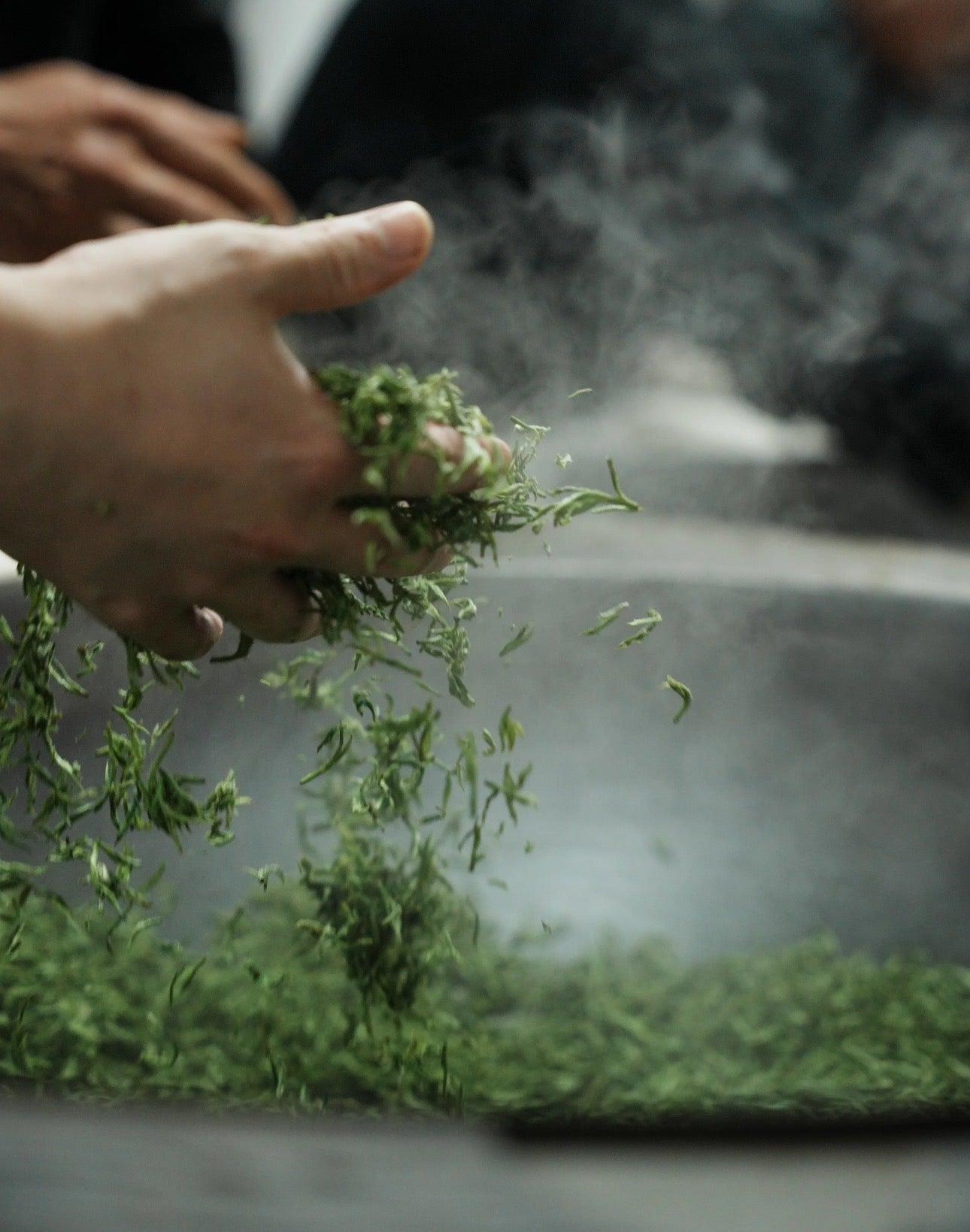
After harvesting, the leaves are quickly heated to prevent oxidation, helping preserve their fresh green color and natural compounds.
Flavor Profile
Green tea is typically:
-
fresh
-
vegetal
-
grassy
-
nutty
-
floral
-
lightly sweet
Some premium green teas also develop creamy or chestnut-like notes.
Popular Green Teas
-
Dragon Well (Longjing)
-
Bi Luo Chun
-
Sencha
-
Gyokuro
-
Matcha
Caffeine Level
Low to medium.
Best For
-
Morning focus
-
Light daily drinking
-
Tea beginners
-
Wellness-oriented tea drinkers
Brewing Tips
Green tea is delicate and should not be brewed with boiling water.
Recommended temperature:
-
70–80°C (158–176°F)
Steeping time:
-
1–3 minutes
Using overly hot water can create bitterness.


2. Black Tea — Bold, Rich, and Comforting
Black tea is fully oxidized, creating darker leaves and a stronger flavor profile.
It is one of the most widely consumed tea categories globally.
Flavor Profile
Black tea is often:
-
rich
-
malty
-
bold
-
fruity
-
smooth
-
chocolatey
Depending on origin and processing, some black teas can also carry honey-like or smoky notes.
Popular Black Teas
-
Dian Hong
-
Assam
-
Keemun
-
Earl Grey
-
Darjeeling
Caffeine Level
Medium to high.
Best For
-
Morning energy
-
Milk tea
-
Rich flavor lovers
-
Coffee drinkers transitioning to tea
Brewing Tips
Recommended temperature:
-
90–100°C (194–212°F)
Steeping time:
-
3–5 minutes


3. Oolong Tea — Complex, Floral, and Layered
Oolong tea sits between green and black tea in oxidation, making it one of the most diverse tea categories.
Some oolongs are light and floral, while others are dark and roasted.
Flavor Profile
Depending on style, oolong tea may taste:
-
floral
-
creamy
-
roasted
-
fruity
-
buttery
-
mineral-rich
Popular Oolong Teas
-
Tie Guan Yin
-
Da Hong Pao
-
Milk Oolong
-
Phoenix Dan Cong
Caffeine Level
Medium.
Best For
-
Tea enthusiasts
-
Multi-steep brewing sessions
-
Complex flavor exploration
Brewing Tips
Recommended temperature:
-
85–95°C (185–203°F)
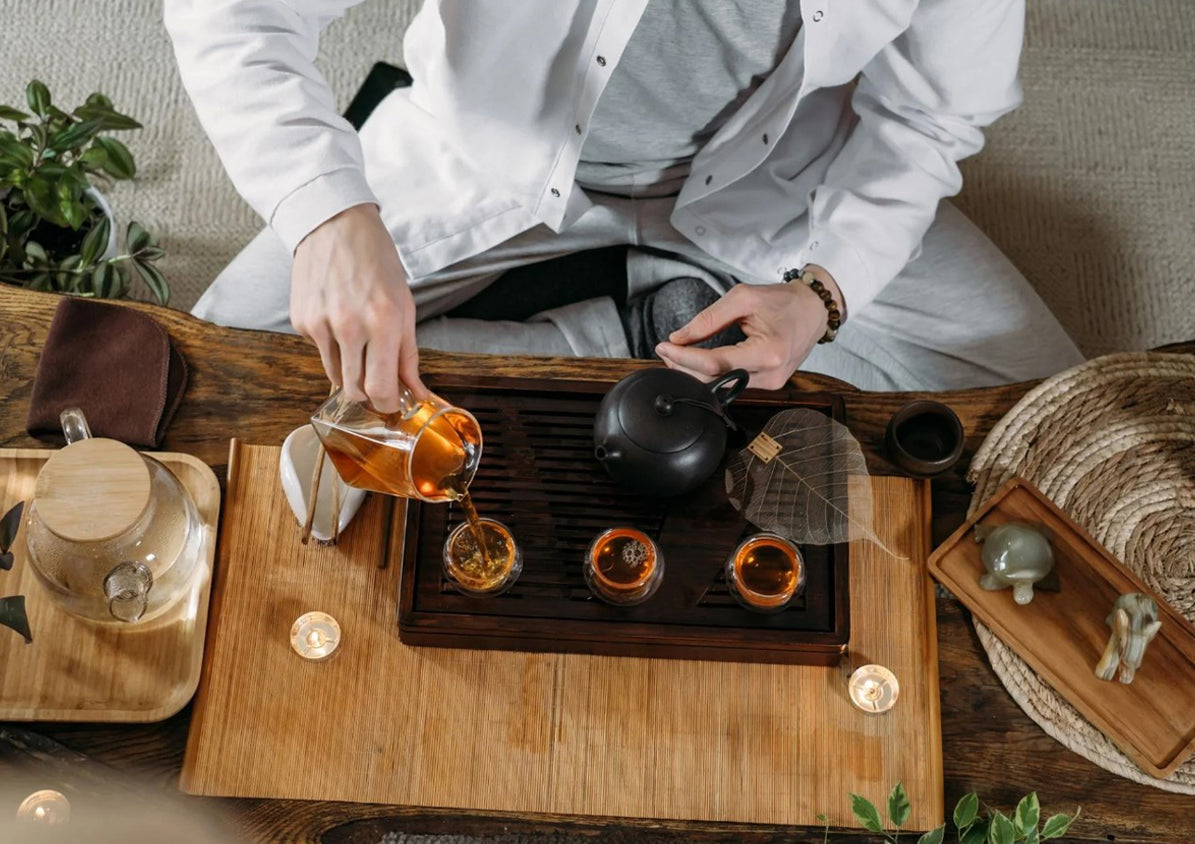
Oolong tea performs especially well in Gongfu brewing style, where multiple short infusions reveal evolving flavor layers.


4. White Tea — Gentle, Elegant, and Naturally Sweet
White tea undergoes minimal processing and is known for its subtle complexity.
It is often made from young buds and tender leaves.
Flavor Profile
White tea is typically:
-
delicate
-
soft
-
floral
-
honey-like
-
silky
-
refreshing
Popular White Teas
-
Silver Needle
-
White Peony (Bai Mudan)
Caffeine Level
Low to medium.
Best For
-
Relaxing afternoons
-
Delicate flavor lovers
-
Mindful tea sessions
Brewing Tips
Recommended temperature:
-
75–85°C (167–185°F)
White tea rewards patience and gentle brewing.


5. Pu-erh Tea — Deep, Earthy, and Aged
Pu-erh tea is one of the most unique tea categories because it undergoes fermentation and aging.
Some pu-erh teas improve over decades, developing extraordinary depth and smoothness.
Flavor Profile
Pu-erh tea may taste:
-
earthy
-
woody
-
smooth
-
dark
-
rich
-
mellow
Aged raw pu-erh can also develop fruity, herbal, or camphor-like notes.
Types of Pu-erh
-
Raw (Sheng) Pu-erh
-
Ripe (Shou) Pu-erh
Caffeine Level
Medium.
Best For
-
Experienced tea drinkers
-
Aging collectors
-
Deep flavor enthusiasts
Brewing Tips
Pu-erh is often brewed using Gongfu style with short repeated infusions.
Recommended temperature:
-
95–100°C (203–212°F)


6. Herbal Tea — Not Technically Tea
Herbal teas are technically herbal infusions because they do not come from the Camellia sinensis plant.
Popular herbal teas include:
-
chamomile
-
peppermint
-
hibiscus
-
rooibos
-
ginger tea
Flavor Profile
Highly varied depending on ingredients.
Caffeine Level
Usually caffeine-free.
Best For
-
Evening relaxation
-
Wellness routines
-
Non-caffeinated options
Tea Comparison Table
| Tea Type | Oxidation Level | Flavor | Caffeine | Best Brewing Temp |
|---|---|---|---|---|
| Green Tea | Very Low | Fresh, grassy | Low-Medium | 70–80°C |
| White Tea | Low | Delicate, sweet | Low-Medium | 75–85°C |
| Oolong Tea | Medium | Floral, complex | Medium | 85–95°C |
| Black Tea | High | Bold, rich | Medium-High | 90–100°C |
| Pu-erh Tea | Fermented | Earthy, deep | Medium | 95–100°C |
| Herbal Tea | None | Varies | Usually None | 90–100°C |
Which Type of Tea Is Best for You?
The best tea depends on your preferences and lifestyle.
Choose Green Tea If You:
-
enjoy fresh flavors
-
want lighter caffeine
-
prefer refreshing tea
Choose Black Tea If You:
-
enjoy stronger beverages
-
want bold flavor
-
prefer morning energy
Choose Oolong Tea If You:
-
enjoy complexity
-
love aroma-focused teas
-
want a more layered tea experience
Choose White Tea If You:
-
appreciate delicate flavors
-
prefer softer tea
-
enjoy calming tea sessions
Choose Pu-erh Tea If You:
-
enjoy earthy depth
-
want aging complexity
-
like rich, smooth teas
Why Loose Leaf Tea Matters
One of the biggest differences in tea quality comes down to loose leaf versus standard tea bags.
Premium loose leaf tea generally offers:
-
whole leaves
-
better aroma
-
cleaner flavor
-
multiple infusions
-
greater complexity
Mass-market tea bags often contain broken tea dust that loses freshness and nuance quickly.
At Teavra, we focus on carefully curated artisan loose leaf teas selected for quality, authenticity, and exceptional brewing experience.
Tea Is More Than a Beverage
Tea is deeply connected to:
-
mindfulness
-
hospitality
-
ritual
-
culture
-
wellness
-
craftsmanship
For many people, tea becomes part of a slower and more intentional lifestyle.
The process of preparing tea encourages:
-
presence
-
focus
-
relaxation
-
appreciation for small moments
This is one reason tea culture continues to grow worldwide.
Final Thoughts — Discover the World of Tea One Cup at a Time
Understanding the differences between tea types opens the door to a far richer tea experience.
Each tea category offers something unique:
-
Green tea brings freshness
-
Black tea delivers comfort
-
Oolong tea reveals complexity
-
White tea offers elegance
-
Pu-erh tea provides depth
There is no single “best” tea — only the tea that matches your mood, taste, and moment.
Whether you are beginning your tea journey or exploring artisan tea more deeply, Teavra Official Store invites you to discover premium loose leaf teas crafted for meaningful daily rituals and unforgettable flavor experiences.
Frequently Asked Questions
What are the main types of tea?
The main traditional tea categories are:
-
green tea
-
black tea
-
oolong tea
-
white tea
-
pu-erh tea
Herbal teas are technically herbal infusions rather than true tea.
Which tea has the most caffeine?
Black tea generally contains the highest caffeine among traditional teas, though exact levels vary by variety and brewing method.
What is the healthiest type of tea?
Different teas offer different wellness benefits. Green tea is especially known for antioxidants, while many people enjoy all tea types as part of a balanced lifestyle.
What is the smoothest tea for beginners?
White tea and lighter oolong teas are often approachable for beginners due to their softer and less bitter flavor profiles.
Where can I buy premium loose leaf tea online?
You can explore artisan loose leaf tea collections directly from Teavra Official Website.

Leave a comment
This site is protected by hCaptcha and the hCaptcha Privacy Policy and Terms of Service apply.