
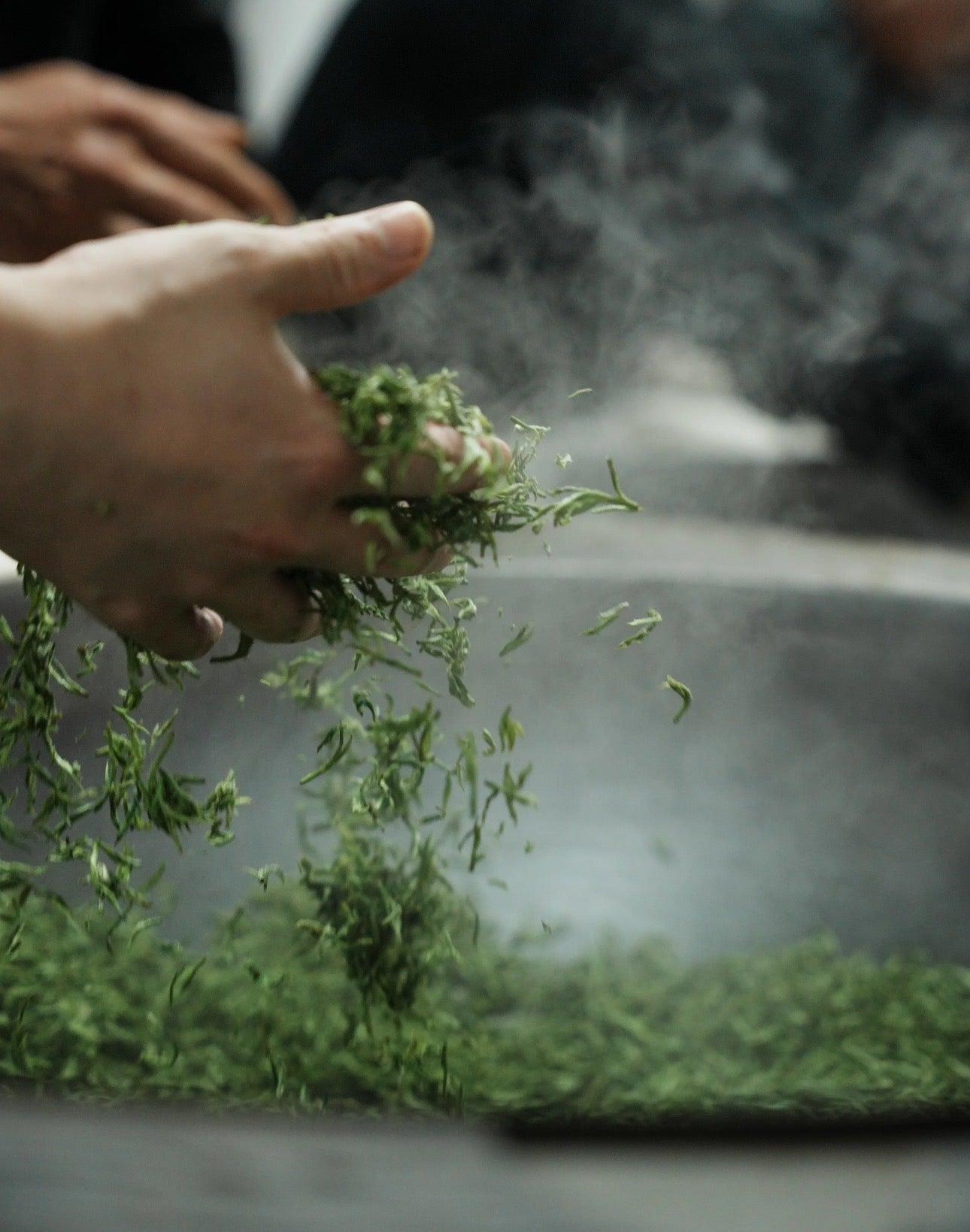

Sheng vs. Shou Pu-erh: What's the Difference & Which Should You Try?

Understanding Pu-erh Tea
Among all tea categories, Pu-erh tea is perhaps the most fascinating. Originating from Yunnan, China, Pu-erh is unique because it continues to evolve long after processing.
If you've started exploring the world of premium tea, you've likely encountered two terms:
Sheng Pu-erh (Raw Pu-erh)
Shou Pu-erh (Ripe Pu-erh)
While both belong to the Pu-erh family, they offer dramatically different experiences in flavor, aroma, aging potential, and brewing style.
So what's the difference, and which one should you try first?
Let's explore.
What Is Sheng Pu-erh?
Sheng Pu-erh, often called Raw Pu-erh, is the traditional form of Pu-erh tea.
After harvesting and processing, the tea is compressed into cakes, bricks, or other shapes and then allowed to age naturally over time.
This natural aging process can continue for years or even decades.
Typical Characteristics of Sheng Pu-erh
Fresh and vibrant when young
Complex and evolving over time
Often floral, fruity, herbal, or mineral-rich
Can become smoother and sweeter with age
Highly prized by collectors
Young Sheng is often energetic and expressive, while aged Sheng develops remarkable depth and complexity.
What Is Shou Pu-erh?
Shou Pu-erh, also known as Ripe Pu-erh, was developed in the 1970s to replicate the characteristics of naturally aged Sheng Pu-erh.
Instead of waiting years for natural aging, producers use an accelerated fermentation process called Wo Dui.
This controlled fermentation creates a tea that is ready to drink much sooner.
Typical Characteristics of Shou Pu-erh
Dark liquor
Smooth body
Earthy flavor
Rich texture
Low bitterness
Easy to drink
For many tea drinkers, Shou Pu-erh offers an approachable introduction to the Pu-erh category.
Flavor Comparison
The easiest way to understand the difference is through taste.
Sheng Pu-erh Flavor Profile
Young Sheng often features:
Floral notes
Fresh herbs
Stone fruit aromas
Honey-like sweetness
Bright character
As it ages, flavors may become:
Deeper
Smoother
More layered
More complex
Shou Pu-erh Flavor Profile
Shou is generally known for:
Earthy notes
Woody character
Dark sweetness
Smooth mouthfeel
Rich body
Many people describe it as comforting and mellow.
Aging Potential
One of the biggest differences between the two styles is aging.
Sheng Pu-erh
Ages naturally over time.
Many enthusiasts intentionally store Sheng Pu-erh for years to observe how its flavor evolves.
Properly aged Sheng can become highly collectible.
Shou Pu-erh
Already undergoes accelerated fermentation.
Although Shou can continue to mature, aging is usually less central to the experience compared to Sheng.
Which Pu-erh Has More Caffeine?
Both Sheng and Shou contain caffeine.
However, caffeine levels vary based on:
Leaf material
Brewing method
Tea age
Processing style
In general, the difference is relatively small, and most tea drinkers choose between Sheng and Shou based on flavor rather than caffeine content.
Which Is Easier for Beginners?
For many newcomers, Shou Pu-erh is often the easier starting point.
Why?
Because it is usually:
Less bitter
More forgiving to brew
Smooth and approachable
Consistent in flavor
Sheng Pu-erh can be more complex and exciting, but younger Sheng teas may require more careful brewing to avoid excessive bitterness.
Brewing Tips
Brewing Sheng Pu-erh
Recommended:
Water temperature: 90–100°C (194–212°F)
Short infusions
Multiple steeps
Pay attention to brewing time, especially with younger Sheng teas.
Brewing Shou Pu-erh
Recommended:
Water temperature: 95–100°C (203–212°F)
Brief rinse before brewing
Multiple infusions
Shou is generally forgiving and performs well across a wide range of brewing styles.
Sheng vs. Shou: Quick Comparison
| Feature | Sheng Pu-erh | Shou Pu-erh |
|---|---|---|
| Also Known As | Raw Pu-erh | Ripe Pu-erh |
| Processing | Natural aging | Accelerated fermentation |
| Flavor | Floral, fruity, lively | Earthy, smooth, rich |
| Bitterness | Can be noticeable when young | Usually low |
| Aging Potential | Very high | Moderate |
| Beginner Friendly | Moderate | High |
| Collector Interest | Very high | Moderate |
Which Pu-erh Should You Try First?
Choose Shou Pu-erh if you:
Prefer smooth, rich flavors
Want an easy introduction to Pu-erh
Enjoy earthy and comforting teas
Prefer a forgiving brewing experience
Choose Sheng Pu-erh if you:
Enjoy exploring complexity
Appreciate evolving flavors
Like floral or fruity notes
Are interested in aging and collecting tea
Many tea lovers eventually enjoy both styles because they offer completely different experiences.
Why Pu-erh Tea Continues to Captivate Tea Lovers
Unlike many teas that are best consumed quickly, Pu-erh invites patience, exploration, and discovery.
Each session can reveal something new.
Whether you choose the bright complexity of Sheng or the smooth richness of Shou, Pu-erh offers one of the most rewarding journeys in the world of tea.
Explore Pu-erh at Teavra
Browse the current selection by style:
Each product page provides the tea-specific details currently available, including format, price and availability.
Frequently Asked Questions
Is Sheng Pu-erh better than Shou Pu-erh?
Neither is objectively better. They offer different flavor profiles and experiences.
Does Pu-erh tea improve with age?
Sheng Pu-erh is especially known for its aging potential and can develop remarkable complexity over time.
Which Pu-erh is less bitter?
Shou Pu-erh is generally smoother and less bitter than young Sheng Pu-erh.
Is Pu-erh good for beginners?
Yes. Many beginners start with Shou Pu-erh because it is easier to brew and more approachable in flavor.
Should I try Sheng or Shou first?
If you're new to Pu-erh, Shou is often the easiest introduction. If you enjoy exploring complexity and aging potential, Sheng is an excellent choice.



Leave a comment
This site is protected by hCaptcha and the hCaptcha Privacy Policy and Terms of Service apply.