
A Trip to Yunnan Tea Mountains: How Our Ancient Tea Gardens Are Harvested Each Spring

Every spring, before the heat of summer arrives, the mountains of Yunnan come alive with one of the most important moments in the tea world: the ancient tea harvest.
For tea lovers, a cup of Pu-erh is often appreciated for its flavor, aroma, and complexity. But behind every exceptional tea lies a journey that begins high in the misty mountains, where generations of tea farmers continue traditions that have been preserved for centuries.
This is the story of how our ancient tea gardens are harvested each spring—and why the season matters so much.
The Magic of Yunnan in Spring

Yunnan is considered the birthplace of tea. Its mountainous landscape, rich biodiversity, and centuries-old tea trees create conditions that are difficult to replicate anywhere else in the world.
In early spring, cool temperatures and frequent mountain mist slow the growth of the tea leaves. This slower growth allows the leaves to develop greater depth, aroma, and complexity—qualities highly prized in premium Pu-erh tea.
Walking through the tea mountains at sunrise, you can see clouds drifting between the hills while ancient tea trees emerge from the fog. The air is cool, quiet, and filled with the scent of fresh tea leaves.
Ancient Tea Trees: Living History

Unlike modern plantation tea, many Yunnan tea gardens are home to old and ancient tea trees that have been growing for decades—or even centuries.
These trees are valued not only for their age but also for the character they bring to the tea. Their deep root systems draw nutrients from mineral-rich mountain soils, contributing to the layered flavors that make ancient-tree Pu-erh so distinctive.
Each tree has its own personality, shaped by elevation, climate, soil, and time.
The Spring Harvest Begins

When the first flush of spring arrives, harvesting begins.
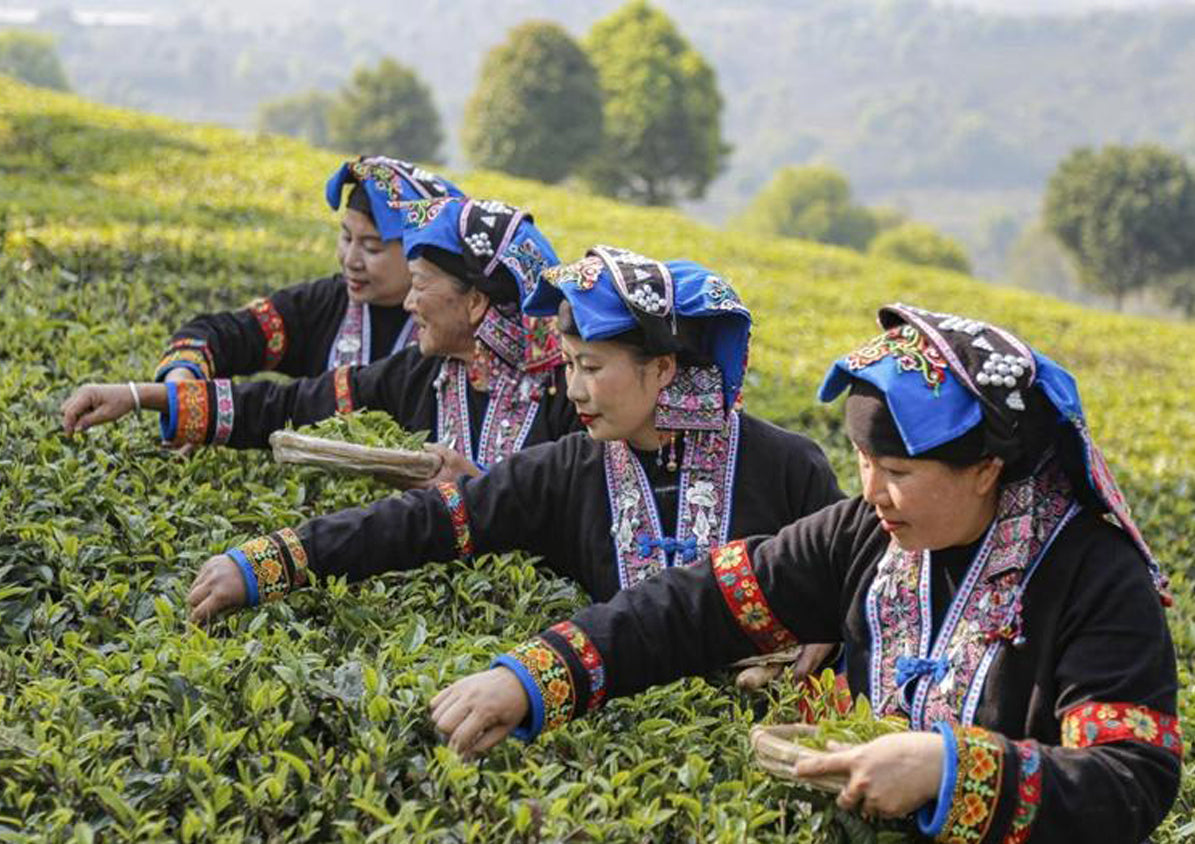
Tea pickers move carefully through the mountains, selecting only the tender new growth. The traditional standard is often one bud and two leaves, chosen by hand to ensure quality and consistency.
Hand-picking is slower than machine harvesting, but it allows farmers to select the freshest leaves while minimizing damage. This attention to detail is one of the reasons premium spring tea is so highly regarded.
From Fresh Leaves to Pu-erh Tea

After harvesting, the leaves begin a careful transformation.
For Sheng (Raw) Pu-erh, the process typically includes:
-
Withering
-
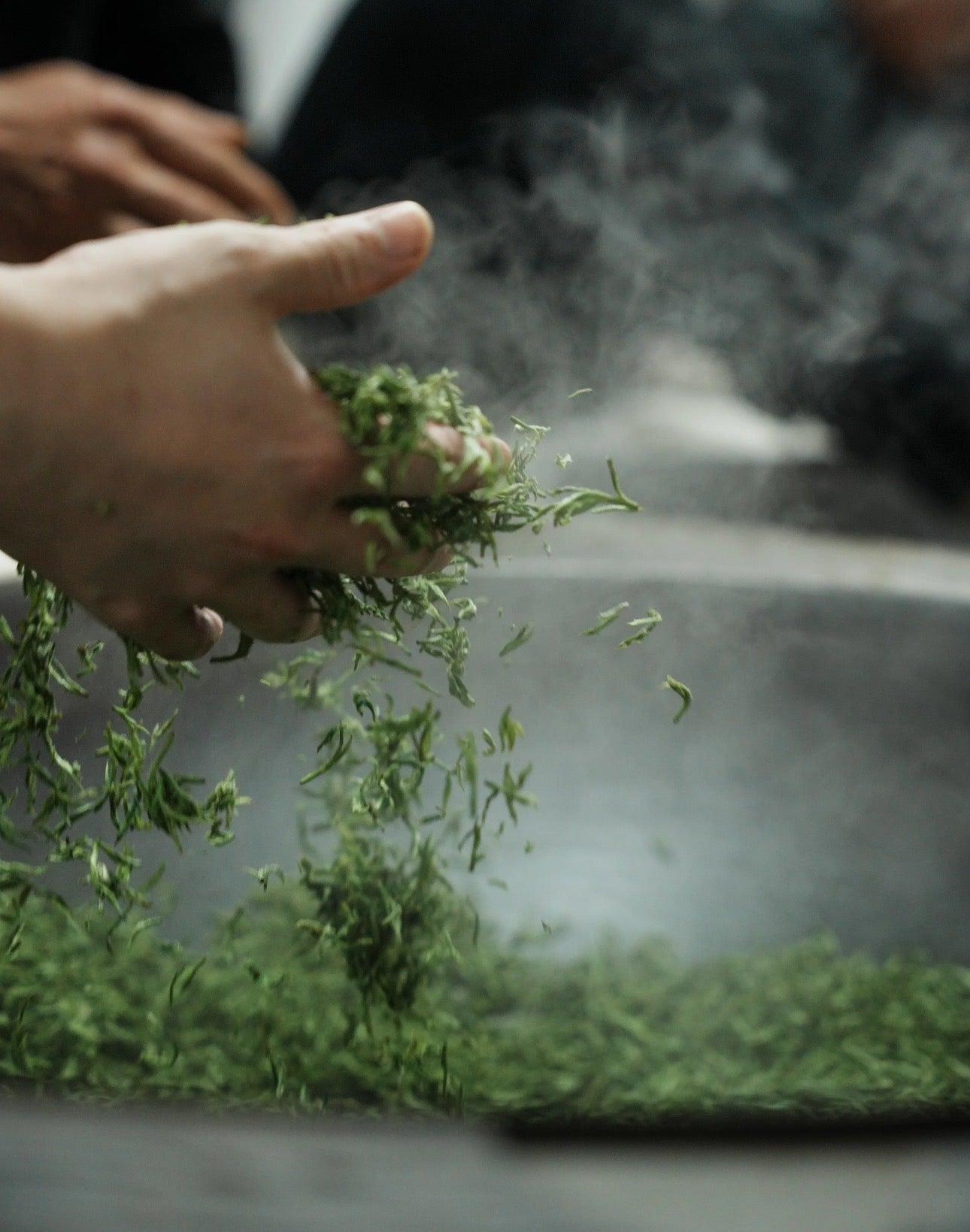
Pan-firing (kill-green)
-
Rolling
-
Sun-drying
-
Compression into tea cakes
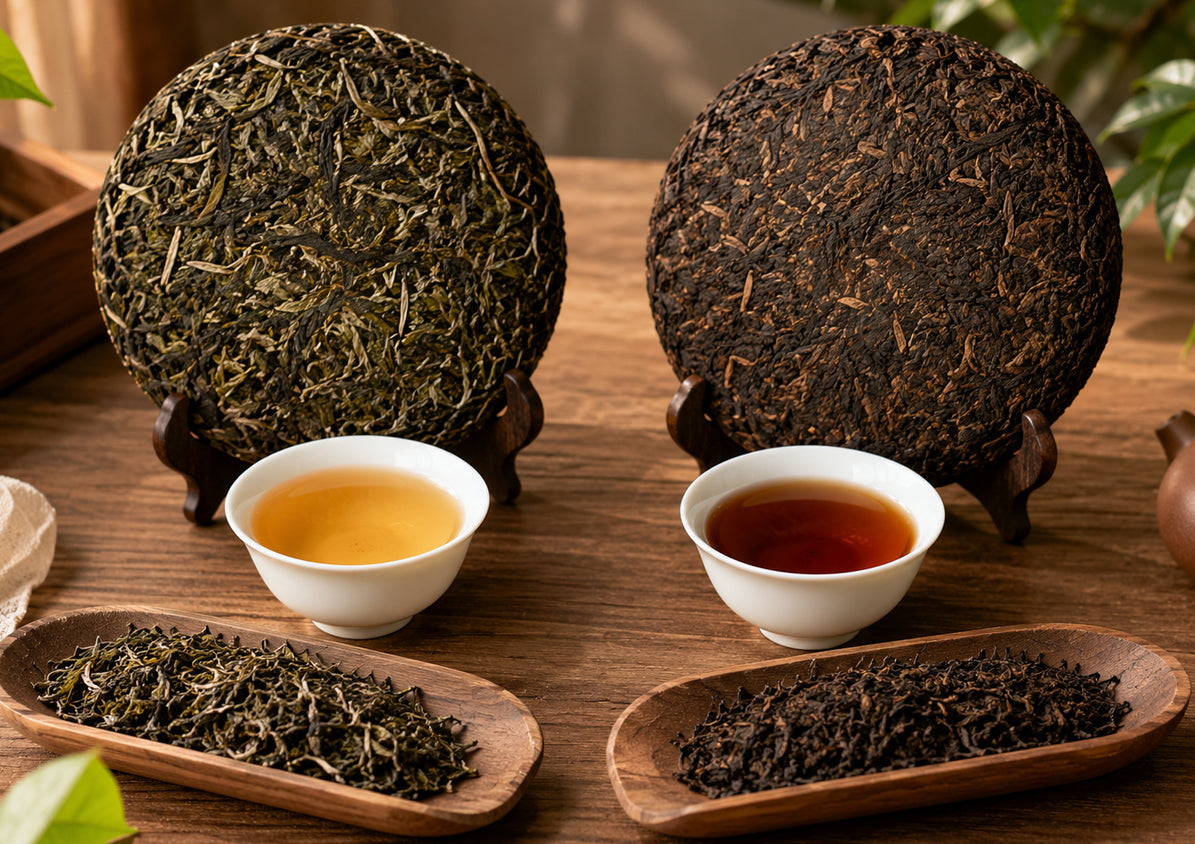
Unlike many teas that are meant to remain unchanged, Sheng Pu-erh continues evolving over time. The tea harvested this spring may develop new layers of flavor for years to come.
Why Spring Harvest Tea Is So Special

Tea enthusiasts often seek out spring harvest Pu-erh because it tends to offer:
-
Brighter aroma
-
Greater sweetness
-
More vibrant energy
-
Better aging potential
-
Increased flavor complexity
The combination of ancient trees, mountain terroir, and fresh spring growth creates a tea that captures a particular moment in nature.
The Human Side of Tea

What often leaves the deepest impression is not just the tea itself, but the people behind it.
Many tea families in Yunnan have harvested these mountains for generations. Their knowledge of weather, trees, harvest timing, and processing has been passed down through years of experience rather than textbooks.
Tea is not simply a product here—it is part of daily life, local culture, and family history.
Bringing the Mountains to Your Cup

At Teavra, we believe the best teas tell a story. The journey from Yunnan’s ancient tea mountains to your teacup is a reminder that exceptional tea begins long before brewing.
It begins with mist-covered hills, ancient trees, careful hands, and the brief but magical window of the spring harvest.
Every cup of authentic Pu-erh carries a small piece of that mountain journey.
Final Thoughts
For many tea lovers, visiting the Yunnan tea mountains changes the way they think about tea forever. What once seemed like a simple beverage becomes a connection to landscape, tradition, craftsmanship, and time.
The next time you brew a cup of Sheng Pu-erh, imagine the cool mountain air, the first spring leaves, and the generations of farmers who helped bring that tea to life.
That is the true beauty of ancient-tree tea: it allows a distant mountain to be experienced one sip at a time.
Frequently Asked Questions
What is ancient-tree Pu-erh tea?
Ancient-tree Pu-erh is made from tea trees that are significantly older than modern plantation bushes and are often valued for their depth and complexity.
Why is spring harvest tea more expensive?
Spring harvests are limited in quantity and are often considered the highest quality of the year due to slower leaf growth and concentrated flavor.
What does “one bud and two leaves” mean?
It refers to the traditional hand-picking standard where pickers select a young tea bud along with its two newest leaves.
Does Sheng Pu-erh improve with age?
Many tea enthusiasts believe properly stored Sheng Pu-erh can develop greater smoothness and complexity over time.
Where can I buy authentic Yunnan Pu-erh tea?
Explore carefully curated artisan tea selections at Teavra.

Leave a comment
This site is protected by hCaptcha and the hCaptcha Privacy Policy and Terms of Service apply.